 Make an Appointment
 Fellowship
 Contact Us
TREATMENT
DETAILS
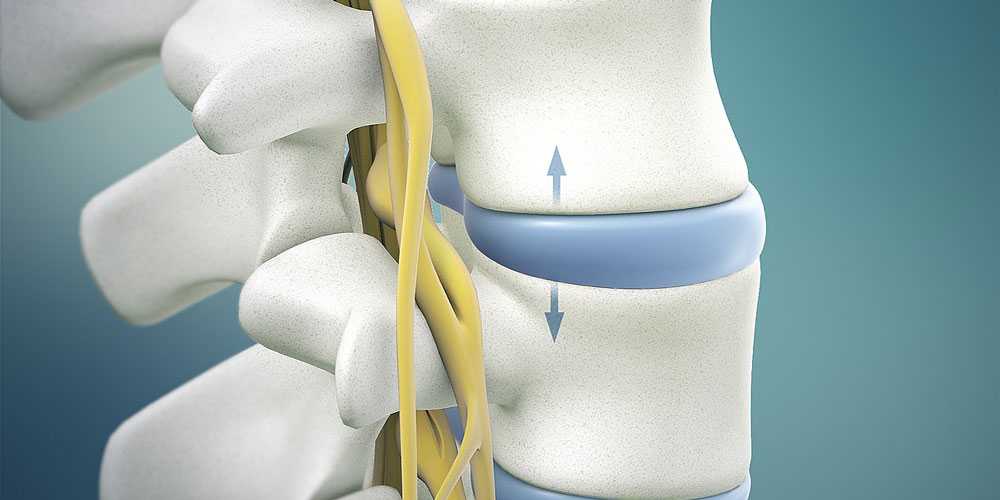
Advanced Laser Disc Decompression(PLDD)
What is Percutaneous laser disc decompression (PLDD)?
Percutaneous laser disc decompression (PLDD) is a procedure used to relieve pressure on nerve roots in the spine caused by herniated discs. Pain, tingling, numbness, weakness, and other symptoms in the back, neck, arms, and legs might be caused by compressed nerve roots.
Instead of medically eliminating the source of the compression, laser disc decompression destroys it using laser light. Percutaneous laser disc decompression (PLDD) is the technique of choice by CORTEX because it is safe, effective, and less invasive.
Best Interventional Pain Clinic in Kerala.
What does it treat?
The following conditions can be treated with percutaneous laser disc decompression (PLDD):
- Disc herniation
- Sciatica Radiculopathy
- Stenosis of the spine
Who exactly is a candidate?
Except for the vertebrae designated T1 through T4, the treatment can be used for disc herniations in any vertebra. It is most commonly used to treat bulging or herniated discs in the lower back, sometimes known as the lumbar spine, and the resultant radiculopathy (radiating pain).
Although the ideal patient has an untreated disc herniation with no disc fragments, percutaneous laser disc decompression (PLDD) has been used to treat herniations that have failed surgical treatment.
The majority of percutaneous laser disc decompression (PLDD) patients have:
- Conservative therapeutic techniques were unsuccessful.
- More than three months of disc pain and radiculopathy.
- Leg discomfort is more severe than back pain.
- Intact disc (disc is not fragmented).
- There were no compression fractures.
What are some of the benefits of laser disc decompression?
For the proper patient, percutaneous laser disc decompression (PLDD) can be an effective and appealing surgery. One of its most significant benefits as a first operation is that if it is ineffective, open or minimally invasive surgery can still be performed later.
Other benefits include:There are no incisions.
- There are no scars.
- There will be no general anaesthesia.
- There is no need for a hospital stay for this outpatient surgery.
- Short recovery period - according to one 2010 study, the average time to return to work was one week.
- The reoperation rate is low.
Recovery
Because laser disc decompression is an outpatient treatment, the patient can leave the hospital or surgical centre within 24 hours. Because no general anaesthesia is used, the patient is never unconscious throughout the procedure. Local anaesthesia is used to numb the region around the disc to be decompressed.
There is no need to relocate any back muscles, and no incisions are required. As a result, percutaneous laser disc decompression (PLDD) has a quick recovery time. Most people can return to work within a week after receiving pain relief.
Kerala's first centre for Interventional & Regenerative Medicine.